

Backlink Booster: How to Amplify Your Backlinks and Rank Faster in 2026
A backlink booster strengthens the backlinks you already have, so they can pass more value to your site. This guide is for site owners whose backlinks are not showing results, and it explains what a backlink booster is, how tiered links work, and how to use them safely.
What Is a Backlink Booster?
A backlink booster is any strategy or service designed to increase the ranking power of backlinks you have already earned. Think of every backlink as a vote for your site. A booster makes sure each vote gets counted at full strength.
The logic is straightforward. A link on a page that Google rarely crawls passes far less value than the same link on a frequently crawled, well-supported page. By building supporting signals around your existing links through social shares, tier 2 backlinks, and faster backlink indexing, you multiply their impact without starting new outreach from zero.
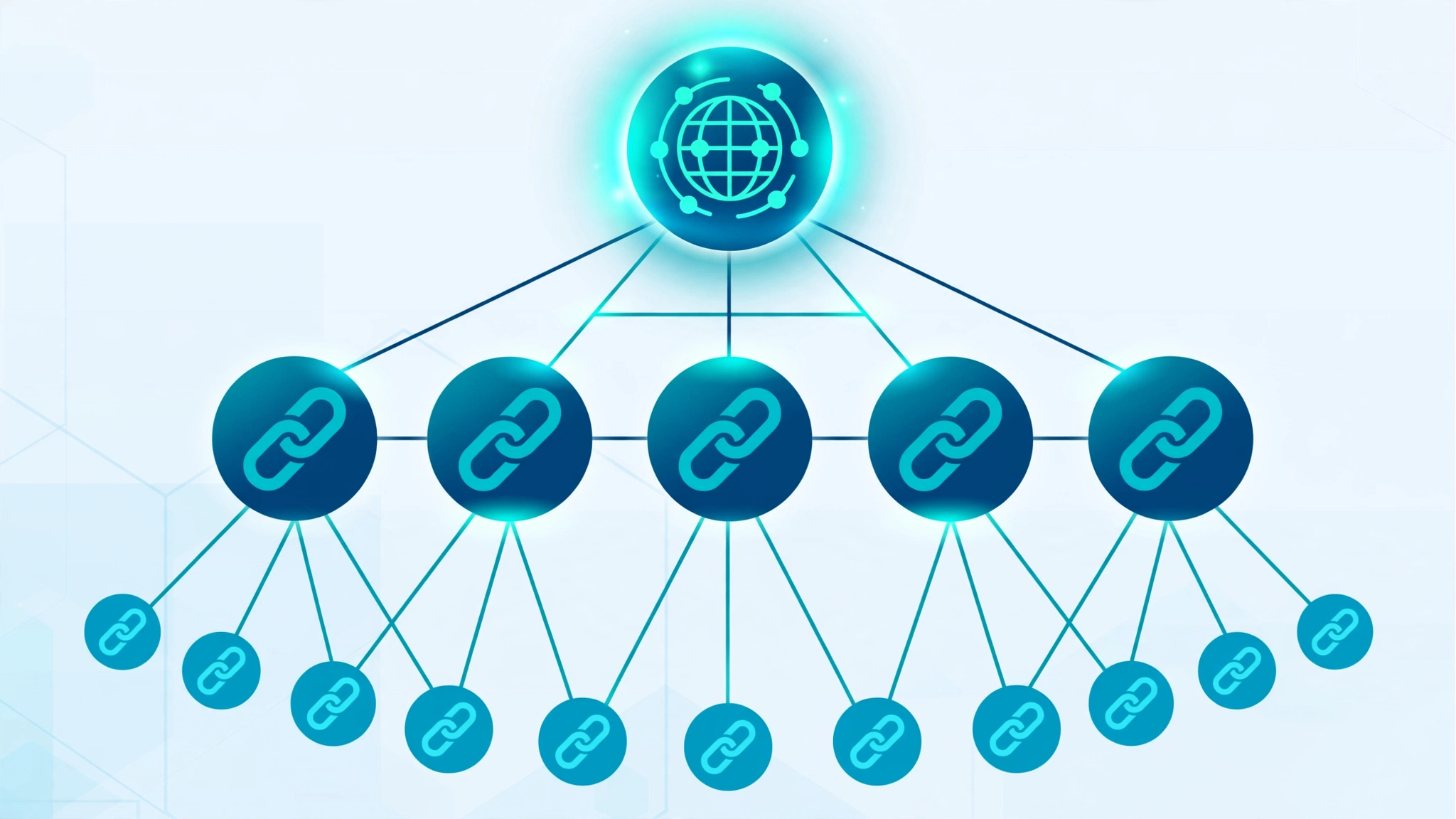
How Backlink Boosting Works
Most booster strategies follow a tiered structure:
- Tier 1: Your important pages and the quality backlinks pointing to them, such as guest posts, editorial mentions, and niche edits.
- Tier 2: Supporting links built to the pages that host your tier 1 links. These include social bookmarks, web 2.0 posts, directory mentions, and branded profiles. They strengthen the linking page, which then passes more authority on to you.
It is the same principle as watering the roots instead of only polishing the leaves.
Backlink Booster Methods Compared
| Method | What it does | Effort | Risk level |
|---|---|---|---|
| Social bookmarking | Shares your link pages on bookmarking platforms for faster discovery | Low | Low |
| Tier 2 web 2.0 links | Builds supporting posts that point to your tier 1 placements | Medium | Low to medium |
| Brand mentions | Strengthens entity and brand signals around your site | Medium | Low |
| Indexing pushes | Nudges crawlers to discover and index your backlinks | Low | Low |
| Outreach upgrades | Improves placement or anchor text of links you already have | Medium | Low |
The 6-Step Backlink Booster Playbook
Follow these steps in order. Each one builds on the last, and skipping the audit at the start is the most common reason booster campaigns disappoint.
Step 1: Audit the Backlinks You Already Have
Before you boost anything, know exactly what you own. Pull your backlink profile from Google Search Console or a dedicated SEO tool and list your strongest referring pages.
Flag which links are indexed, which sit on weak pages, and which carry over-optimized anchor text. If you are new to profile analysis, Ahrefs’ beginner’s guide to link building is a solid primer on reading backlink data correctly.
Step 2: Choose Your Anchor Assets
Not every link deserves equal effort. Select the five to ten backlinks pointing at your most important pages, the ones tied to revenue or your target keywords. These are your anchor assets, and the entire booster campaign revolves around them.
Step 3: Build Tier 2 Support Links
Create a ring of supporting links around each anchor asset. Share the linking page on social bookmarking sites, publish short web 2.0 posts that reference it, and add branded mentions wherever they fit naturally. Keep everything topically relevant. Relevance beats raw quantity every time, a point reinforced across most modern link building strategies.
Step 4: Get Every Backlink Indexed
An unindexed backlink passes almost no value, which makes backlink indexing one of the highest-leverage steps in this playbook. After building support links, help crawlers find them: share the URLs socially, connect them to your internal linking structure, and use Search Console’s URL inspection on your own pages. Indexing can take days or weeks, so be patient before judging results.
Step 5: Diversify Anchors and Keep Velocity Natural
A sudden flood of identical anchor text is a red flag to search engines. Mix branded, naked-URL, and topical anchors across your tier 2 links, and drip-feed new support links over several weeks instead of publishing them all in a single day.
Step 6: Track, Measure, and Repeat
Monitor rankings, organic traffic, and your indexed-link count for four to six weeks. Double down on the methods that moved the needle and drop the ones that did not. Boosting is a cycle, not a one-time task.
Should You DIY or Use a Backlink Booster Service?
Doing it yourself gives you full control and costs less, but it takes real time each month. A backlink booster service offers systems and scale, which suits agencies and busy site owners. Quality varies widely between providers, so vet them carefully: ask for sample reports, check that they build relevant tier 2 links rather than spam, and walk away from anyone promising thousands of links overnight.
Mistakes That Can Backfire
- Amplifying toxic links. Boosting a bad link amplifies the harm. Audit first and disavow junk before you boost.
- Joining link schemes. Google’s spam policies explicitly target manipulative link practices. A penalty can erase months of progress in days.
- Ignoring relevance. Tier 2 links from unrelated niches add noise, not power. Stay inside your topic cluster.
Frequently Asked Questions
1. How long does a backlink booster strategy take to work?
There is no set time. It depends on your niche, the strength of your tier 1 placements, and how consistently you promote them. Monitor your tier 1 pages and target keywords, and check the pages that stay unindexed.
2. Is backlink boosting safe for my site?
Yes, when done with restraint. Relevance, natural velocity, and quality support links keep the strategy firmly white-hat. Aggressive automation and spammy tiers are what get sites penalized.
3. Do I still need to build new backlinks?
Boosting multiplies what you have, but it does not replace acquisition. The strongest profiles combine steady new link earning with regular boosting of the existing base.
4. What is the difference between tier 1 and tier 2 backlinks?
Tier 1 links point directly to your site and carry the most weight. Tier 2 links point to the pages hosting your tier 1 links, strengthening those pages so they pass more authority to you.
Final Takeaway
A backlink booster strategy is one of the most overlooked ways to increase domain authority in 2026. You have already done the hard work of earning links.
Now make every one of them count: audit your profile, support your best placements with relevant tier 2 links, get everything indexed, and measure the results. Small, consistent boosting cycles compound into rankings that new-link chasing alone rarely delivers.

- AI Image Extender: How to Expand Any Photo Beyond Its Borders - November 8, 2026
- AI Sentence Rewriter: How to Rewrite Sentences So They Sound Human - November 8, 2026
- Free AI Logo Generator: Generate a Logo Free by Use Case - November 6, 2026









Pingback: Backlink Outreach Services: What They Cost & How To Choose
Pingback: How To Find Guest Post Opportunities: 11 Methods (2026)
Pingback: Link Insertion Vs Guest Post: The Proven Winner In 2026
Pingback: Link Audit Service: What's Included & What It Costs (2026)
Pingback: Unlinked Brand Mentions Link Building: Best Guide In 2026