How to Get Cited by ChatGPT in 2026: A Link Builder’s Playbook
Learning how to get cited by ChatGPT starts with understanding its two paths: live web search results, which carry clickable citations, and answers drawn from training data, which usually do not. Link builders can improve citation odds with clear entity signals, structured extractable content, third-party mentions and listicle placements, and open crawler access. No tactic guarantees a citation: OpenAI itself says placement is never guaranteed.
Here is the uncomfortable truth about getting cited by ChatGPT: you cannot force it. There is no submission form, no paid placement, no meta tag that reserves you a footnote. But “cannot force” is not the same as “cannot influence.” That is the first lesson of how to get cited by ChatGPT: citation patterns are observable, the mechanics are partly documented by OpenAI, and the same forces that made link building work for twenty years, mentions, authority, and corroboration, are doing heavy lifting inside AI answers too.
This playbook is written for link builders, not for content teams. The angle is simple: everything you already know about earning mentions and links maps surprisingly well onto earning AI citations, with a few new rules layered on top.
How Does ChatGPT Decide What to Cite?
Start with the mechanism, because most advice in this space skips it. ChatGPT produces answers from two different sources, and they behave very differently.
Path one: live web search. When your question benefits from current information, ChatGPT searches the web, reads the pages that come back, and cites them as clickable links. OpenAI’s own help documentation confirms that responses using web search may include citations, and adds an important caveat: search results and citations can be incomplete, outdated, or incorrect.
For this path, your page needs to be crawlable, indexed, and retrievable at query time. OpenAI operates its own search crawler, OAI-SearchBot, alongside search partners, and its documentation states plainly that placement in results is never guaranteed.
Path two: training data recall. For evergreen questions, the model answers from what it absorbed during training, which is frozen at a knowledge cutoff. These answers typically carry no per-fact citations at all. What shapes this path is historical: how often your brand and facts appeared across the open web, in consistent contexts, before the cutoff. You cannot optimize for this path quickly. It compounds over months and years.
The practical takeaway for how to get cited by ChatGPT: most of your effort should target the search path (fast, measurable, improvable), while your brand-building compounds toward the training path in the background. Anyone selling you a shortcut to either path is selling fiction.
What Makes a Page Easy for ChatGPT to Cite?
When ChatGPT searches, it does not read your page the way a human does. It retrieves passages and lifts the most quotable span into the answer. Pages that survive this extraction share predictable traits. The first group is about clarity:
- Self-contained sentences. A claim that needs three paragraphs of context cannot be quoted. A sentence that states one complete fact can. Write definitions and key claims so each stands alone.
- Direct answers early. Put the answer in the first portion of the page, under a clear heading. Buried conclusions get skipped by retrieval just as they get skipped by impatient readers.
- Clear heading structure. Descriptive H2 and H3 headings act as signposts for retrieval systems deciding which passage answers the question.
The second group is about trust:
- Specific, named entities. Product names, company names, places, dates, and defined terms give the model concrete anchors. Vague language (“a leading provider”) gives it nothing to hold onto.
- Freshness signals. Visible publication and update dates matter, especially for time-sensitive topics. Stale dates are a known reason pages get passed over.
- Structured formats where they fit. Tables, lists, and FAQ sections are extracted more reliably than the same information buried in prose. Use them when they genuinely serve the reader.
Notice what this list really is: good technical writing. The overlap between “readable for humans” and “extractable for machines” is large, which is good news for anyone who already writes well. Mastering these traits is the on-page half of how to get cited by ChatGPT.
How to Get Cited by ChatGPT: The Link Builder’s Playbook
Here is where the link builder’s lens changes the game. Most AI-visibility advice stops at on-page structure. But citations are won across the web, not just on your domain. Work these six plays together.
Play 1: Make your entity unmistakable
AI systems resolve mentions to entities. If your brand name is generic, inconsistent across profiles, or confused with competitors, citations leak away. Use one exact brand name everywhere: your site, social profiles, directory listings, and author bios. Maintain a thorough about page that states what you do in plain sentences. This is entity SEO, and it is the foundation everything else stacks on.
Play 2: Publish pages built to be quoted
For each core topic, publish one definitive page engineered around the extraction traits above: a clear definition up top, self-contained factual sentences, structured sections, and current dates. Think of each page as ammunition you are manufacturing for future answers. If you need help structuring this kind of content operation, our AI search optimization services cover exactly this ground.
Play 3: Earn third-party corroboration
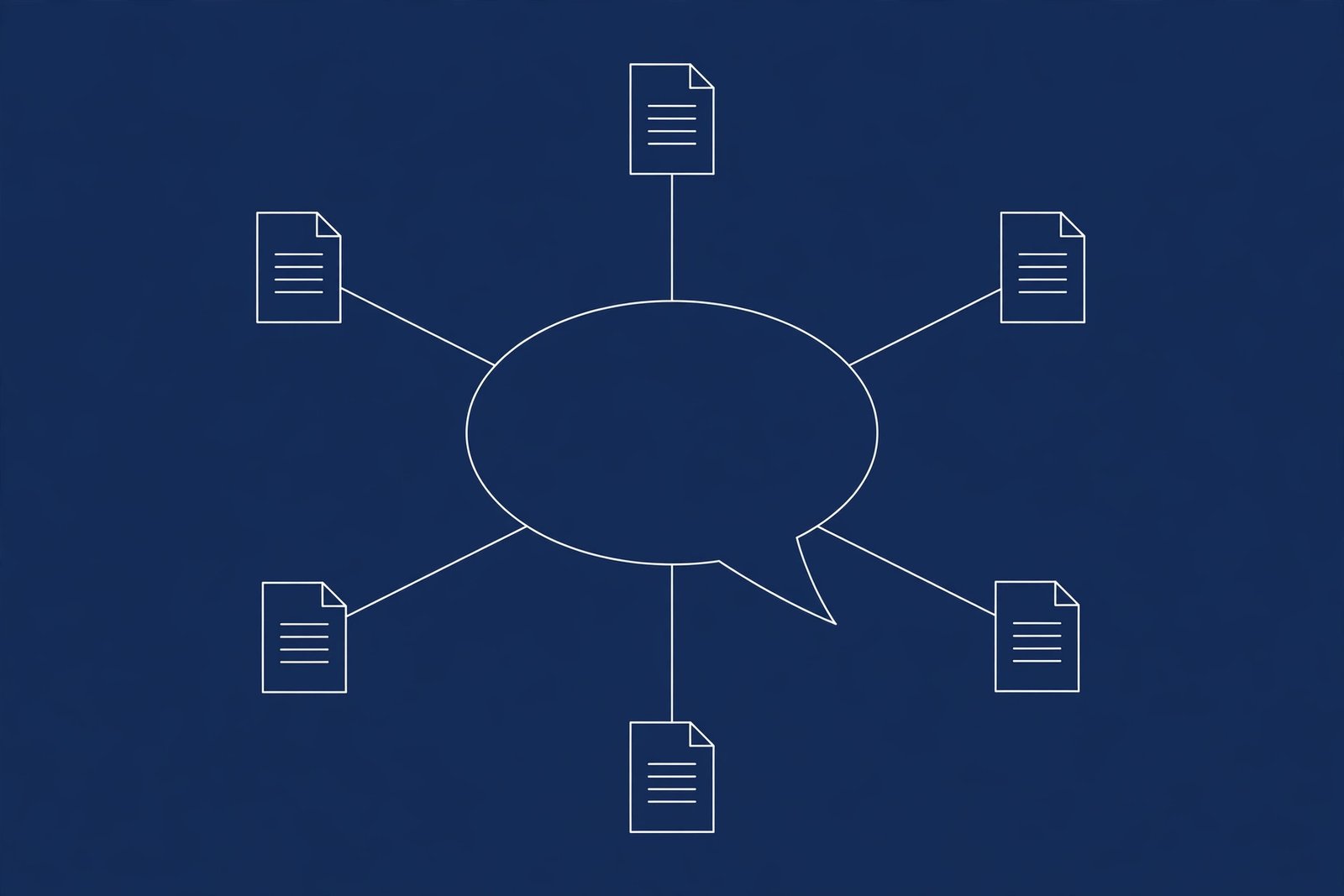
Here is the insight most content guides miss about how to get cited by ChatGPT. When ChatGPT answers a commercial question like “best tools for X,” it tends to aggregate across third-party listicles and comparisons, and the brands that appear most frequently across those sources win the mention. Your own excellent page is not enough if you are absent from the lists the model reads. This is a link builder’s natural habitat: earn placements, mentions, and links on the roundups, directories, and review-style pages in your category. Frequency of mention across trusted sources is the dominant signal.
Play 4: Build mentions, not just links
Traditional link building chases the hyperlink. Citation building chases the mention. An unlinked brand mention in the right context, a listicle entry, a comparison table row, a “tools like X” paragraph, can put you in the answer even without passing any link equity. That is how to get cited by ChatGPT without a single backlink: be named clearly in the right context. This does not replace link building; it extends it. When prospecting, value placements that name you clearly and accurately, whether or not they link.
Play 5: Keep the crawlers and indexes open
None of this works if the bots cannot reach you. OpenAI documents two relevant crawlers: OAI-SearchBot, which surfaces sites in ChatGPT’s search results, and GPTBot, which crawls content that may be used in training. Each is controlled independently in robots.txt, so blocking one does not block the other.
Check that your robots.txt allows OAI-SearchBot, that your pages are indexed in the major web indexes (Google and Bing), since ChatGPT’s search draws on web search results alongside its own crawler, and that your CDN or firewall is not blocking OpenAI’s published crawler IP ranges. This is unglamorous technical hygiene, and it is where many citation efforts silently die. OpenAI’s official crawler documentation at platform.openai.com/docs/bots is the authoritative reference for exactly what each bot does.
Play 6: Stay current on purpose
AI answers favor fresh, maintained content, and model updates periodically reshuffle who gets cited. Revisit your key pages quarterly: update statistics (real ones, from real sources), refresh examples, and bump the update date when the content genuinely changes. A page that visibly evolves beats a page frozen in 2023.
How Do You Know If ChatGPT Is Citing You?
Measuring how to get cited by ChatGPT is manual but straightforward. Build a fixed set of 15 to 30 prompts that mirror real buyer questions in your category: problem-aware questions, comparison questions, “best X for Y” questions, and alternative-seeking questions. Run them through ChatGPT on a schedule, monthly is enough for most businesses, and log four things: whether your brand is mentioned, whether a specific page of yours is cited, which competitors appear instead, and how the answer frames you.
Track changes over time, not single snapshots. One answer is noise; a six-month trend is signal. If prompt-level manual testing gets tedious, dedicated AI visibility platforms can automate it: Profound is one of the actively maintained 2026 platforms for tracking brand citations and mentions across ChatGPT and other answer engines, with prompt-level reporting. For a broader landscape of current options, see our list of AI search visibility tools for businesses. Pair whatever tooling you choose with referral analytics: links from ChatGPT search carry a utm_source=chatgpt.com marker, so watch for that referrer in your analytics as an independent confirmation that citations are sending visitors.
What Should You Not Do?
Three warnings, stated plainly. First, there is no legitimate way to pay for a ChatGPT citation. Anyone offering guaranteed placements is either lying or describing manipulation that will eventually backfire. Second, do not try to game the sources the model trusts, such as planting promotional content on community platforms or editing reference pages. It tends to be detected, and the reputational cost exceeds any short-term citation. Third, never report citation work to stakeholders as guaranteed outcomes. Report it the way OpenAI frames it: you are improving eligibility and odds, not purchasing placement.
ChatGPT Citation Questions, Answered
How long does it take to start appearing in ChatGPT answers?
For the search path, pages that are crawlable, well-structured, and corroborated by third-party mentions can surface once they are crawled and indexed, which varies by site; OpenAI publishes no official timeline. The training-data path is far slower and compounds over months as your web presence accumulates. Treat this as a quarterly discipline, not a one-time project.
Does blocking GPTBot stop ChatGPT from citing my site?
Not necessarily for live citations. GPTBot and OAI-SearchBot are independent controls: OAI-SearchBot feeds live search results, while GPTBot feeds training data. Blocking GPTBot leaves the live-search path intact but removes your content from future training data, weakening the training-recall path over time. Allow both unless you have a specific reason not to.
Do backlinks help with ChatGPT citations?
Indirectly but meaningfully. For how to get cited by ChatGPT, links remain one of the strongest signals of which pages and brands the web considers authoritative, and authority feeds both the search index ChatGPT queries and the training corpus it learned from. But unlinked mentions on the right pages can also earn citations, so optimize for being named accurately, not only for being linked.
Is optimizing for ChatGPT the same as SEO?
Overlapping but not identical. Strong SEO fundamentals, crawlability, quality content, reputable links, help everywhere. The additional layer is extractability: self-contained answers, clear entities, structured formats, and corroboration across third-party sources. Think of it as SEO plus answer engineering.
Build to Be Cited, Not to Game the System
The link builder’s playbook for how to get cited by ChatGPT is refreshingly old-fashioned: be a clear, consistent entity; publish pages worth quoting; earn mentions across the sources your buyers’ questions get answered from; keep the technical doors open; and measure honestly over quarters, not days. None of it guarantees a citation, and anyone who promises one is not worth listening to. But brands that do this work consistently are the ones that show up when the answers get written, in 2026 and in whatever the next model is called.

- How Many Weeks Between Two Dates? A Simple, Accurate Guide - October 16, 2026
- What Elements Are Foundational for SEO with AI? The Two-Layer Framework for 2026 - October 15, 2026
- 9 Best HARO Alternatives in 2026 (After HARO Shut Down) - October 15, 2026