How Long Does Link Building Take to Work? An Honest Timeline for 2026
In short: How long does link building take to work? Link building usually takes two to six months of consistent effort before rankings visibly move, and six to twelve months for substantial gains. Pages near page one can shift in weeks; brand-new sites in competitive niches wait longest. The honest answer depends on your authority, competition, and link quality. No one can promise an exact date.
Why Can’t a New Link Work Overnight?
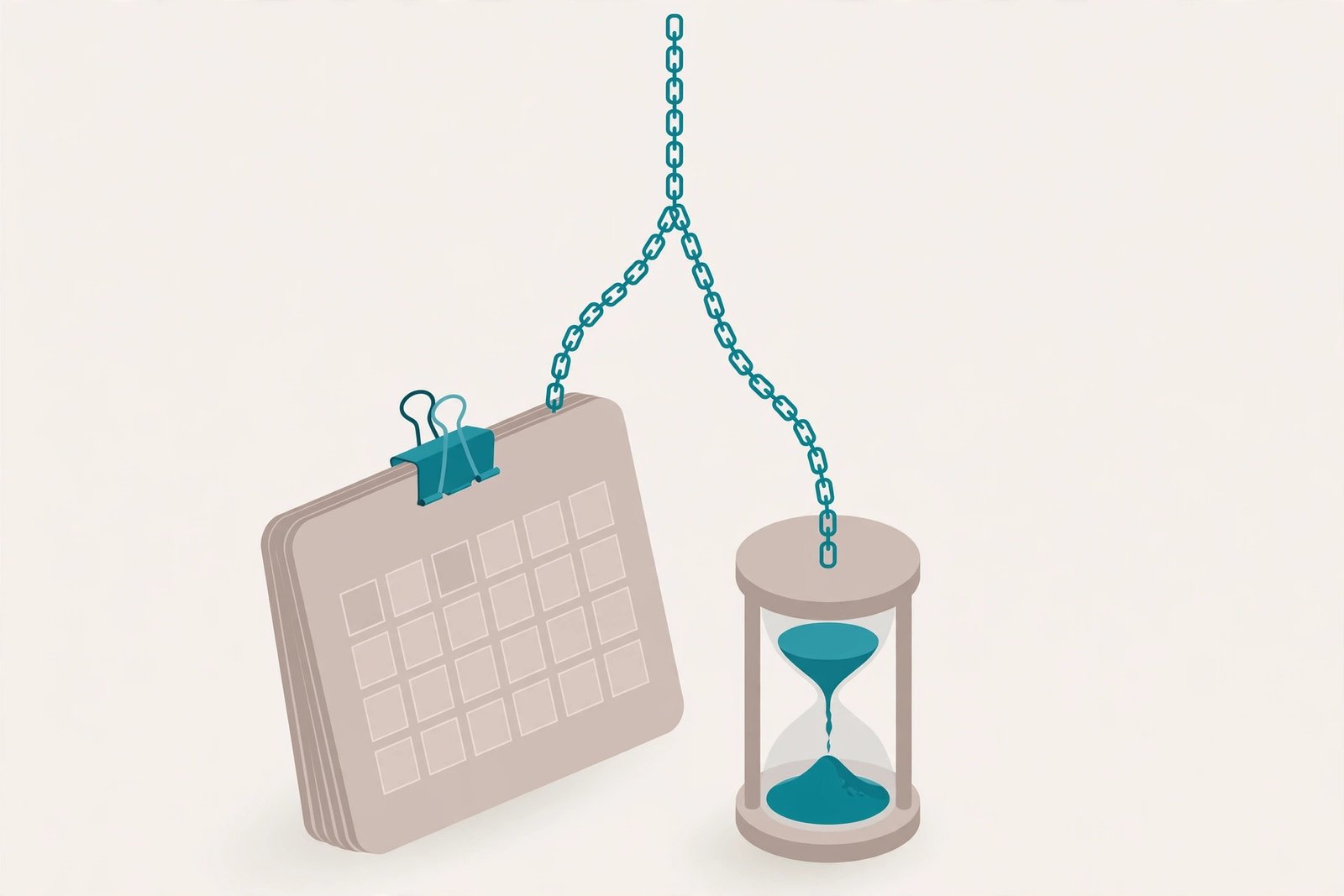
Before answering how long does link building take to work, it helps to understand why any delay exists at all. When a new backlink appears pointing at your site, three things have to happen before it can influence your rankings, and none of them is instant.
1. Crawlers must discover the linking page
Search engine crawlers visit websites on their own schedules. A frequently updated news site might be crawled daily or even hourly, while a quiet blog might see a crawler every few weeks. Until a crawler visits the page hosting your link, the search engine does not know the link exists. This is the first and most variable source of delay, and it is completely outside your control.
2. The page must be indexed, not just crawled
Crawling and indexing are separate steps. A page can be crawled but left out of the index, and only indexed pages contribute their links to how your site is evaluated. Links on pages that never make it into the index pass little to no value, which is why link quality is partly a question of whether the linking page is the kind of page search engines bother to keep.
3. Your profile gets re-evaluated as a whole
Search engines do not score backlinks one at a time in isolation. A new link is weighed against your entire existing profile: how many links you have, where they come from, how relevant they are, and how they arrived over time. One strong link added to a thin profile moves the needle less than the same link added to an already credible one. Re-evaluation happens gradually, which is why link building rewards consistency over bursts.
How Long Does Link Building Take to Work in Different Situations?
The ranges below answer how long does link building take to work across common situations, reflecting what practitioners typically observe across campaigns. Treat them as planning guidance, not promises. Your results will land somewhere inside or outside these windows depending on the factors in the next two sections.
| Your situation | What “working” looks like | Typical window |
|---|---|---|
| Brand-new website with little authority | First visible ranking movement | 3 to 6 months of steady building |
| New page on a young but growing site | Ranking for low-competition terms | 1 to 3 months |
| Established page stuck on page two with solid on-page SEO | Breaking onto page one | 4 to 8 weeks, if links are the missing piece |
| Established site targeting competitive commercial keywords | Meaningful, durable movement | 6 to 12 months |
Notice the pattern: the closer you already are to ranking, the faster new links show their effect. A page sitting at position 12 needs only a small push, while a new domain needs months of accumulated signals before search engines trust it enough to rank at all.
To narrow down how long does link building take to work for your own site, answer four questions honestly. How old is your domain and how many quality referring domains does it already have? How competitive are your target keywords, judged by the strength of the pages currently ranking? Are your target pages already strong on content and on-page SEO, or do they need work first? And will your new links come from relevant, indexed pages or from placements of uncertain quality? A new site chasing competitive keywords with thin pages sits at the slow end of every range above. An established site pushing page-two pages with strong content sits at the fast end.
What Speeds the Timeline Up?
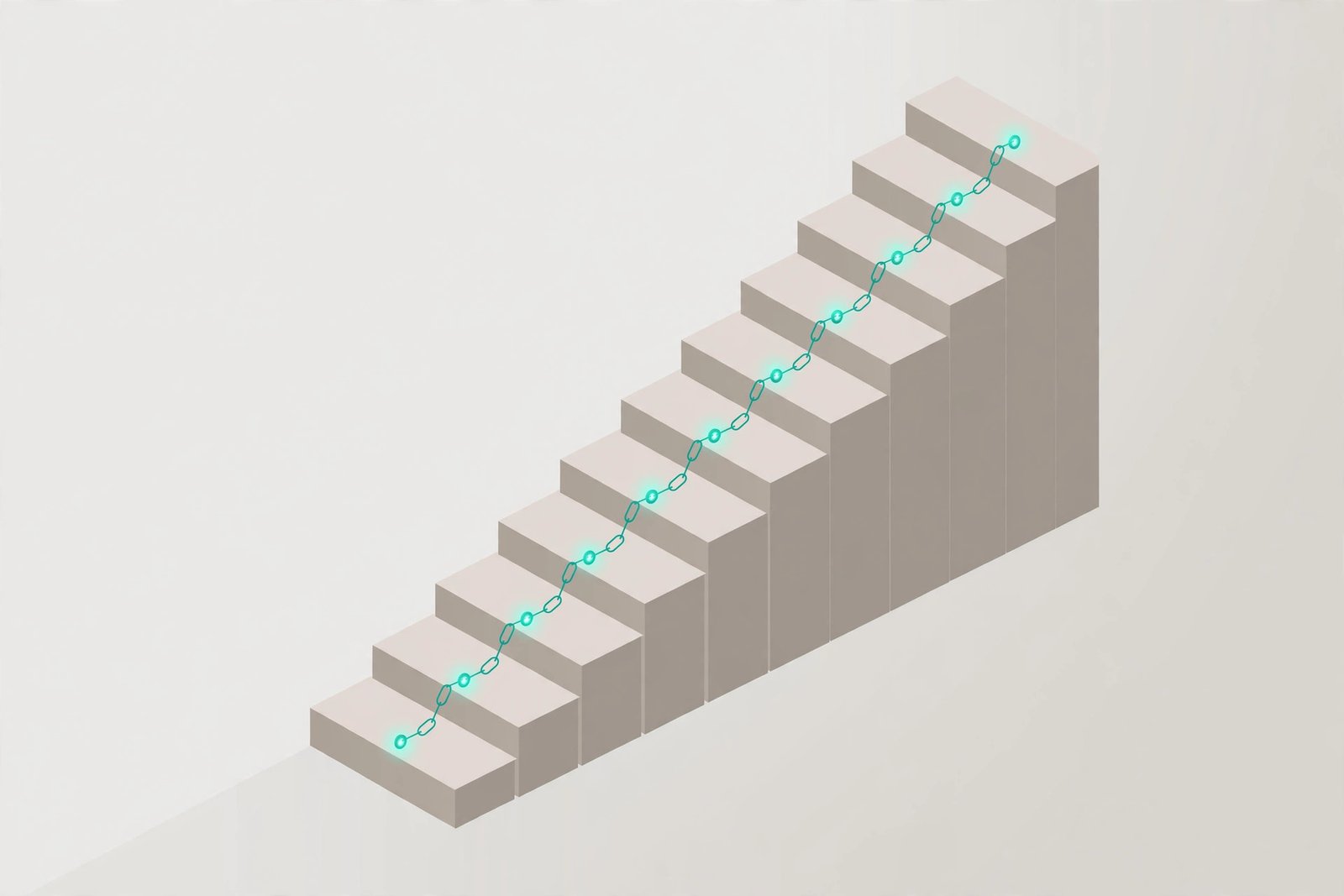
Several conditions compress how long does link building take to work, shortening the wait between earning a link and seeing it work:
- Existing domain authority. Sites with an established trust history see new links processed and weighted faster than unknown domains.
- Targeting keywords you nearly rank for. Moving from position 14 to position 8 takes far less authority than moving from position 90 to position 8. Start link building aimed at your closest wins.
- Links from relevant, frequently crawled pages. A link on a topically relevant page that crawlers visit daily gets discovered, indexed, and counted quickly.
- Strong on-page foundations. Links amplify what is already there. If the target page answers the query well and internal linking points to it clearly, new authority converts into rankings faster.
- A clean existing profile. Toxic or spammy links in your history create drag that new links must overcome first. If you have never checked, run our backlink audit checklist before spending on new links.
- Consistent acquisition. A steady rhythm of new links looks like genuine growing popularity and compounds month over month. Sporadic bursts followed by silence do not.
What Slows It Down?
The same logic runs in reverse. Expect longer waits when:
- The domain is brand new. New sites face a trust-building period no volume of links can skip. Even aggressive building takes months to register.
- The niche is fiercely competitive. Finance, legal, SaaS, and ecommerce keywords have high authority thresholds because every competitor is building links too. You are running uphill against moving targets.
- The target page is thin or mismatched. Links pointing at content that does not satisfy the query will not rank it, no matter how many you build. Fix the page first.
- Linking pages are rarely crawled or never indexed. Links from abandoned blogs and unindexed pages sit in limbo indefinitely.
- Competitors keep building while you pause. Rankings are relative. If rivals add authority every month and you stop, your position erodes even though your own links did nothing wrong.
- You stop too early. Many campaigns are abandoned in month three, right before the compounding phase where earlier links start paying off together.
What Should You Track While You Wait?
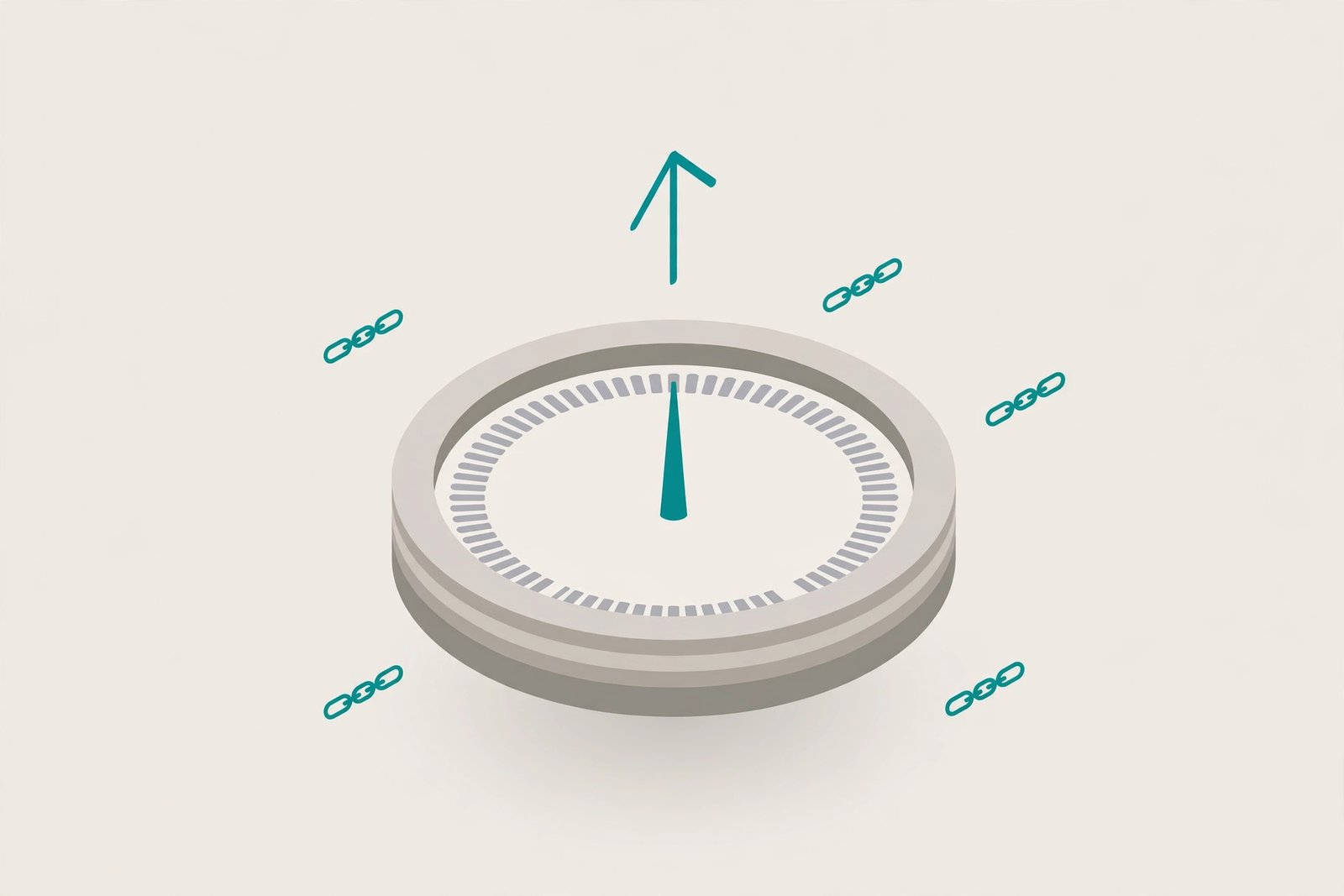
The hardest part of how long does link building take to work is the silence between effort and outcome. Rankings are a lagging indicator, so judging a two-month-old campaign by headline positions alone will mislead you. Track these leading signals instead:
- Impressions in Search Console. If impressions for your target pages are climbing, search engines are testing your pages for more queries. That usually precedes ranking movement by weeks.
- Average position trends. A page drifting from position 34 to 28 to 22 is making real progress even though it is still invisible on page one. Direction matters more than absolute position early on.
- Keywords entering positions 11 to 20. These “striking distance” keywords are your early warning system. Growth here is the most reliable sign that new links are being counted.
- Referral traffic from new links. A link that sends real visitors is doing its job regardless of what rankings say this month. Referral traffic also confirms the linking page is alive and indexed.
- Indexed referring pages. Periodically check that the pages hosting your newest links are actually in the index. A growing share of unindexed placements is a quality problem worth addressing with your provider, not a patience problem.
Set a weekly review rhythm: ten minutes in Search Console and your rank tracker, noting direction rather than celebrating or panicking over any single week. Monthly, compare against your starting baseline. If the leading indicators are flat after three to four months of consistent building, that is a strategy signal worth investigating, not a reason to quit.
Which Promises Should You Run From?
Here is the uncomfortable truth behind how long does link building take to work: rankings depend on your site’s authority, your competitors’ actions, and search engine systems that no outside party controls. Anyone who guarantees you page-one rankings, or a fixed date by which they will arrive, is selling certainty they cannot deliver.
Google’s spam policies explicitly define link schemes, including buying or selling links for ranking purposes and automated link creation. Providers promising guaranteed results on fixed timelines frequently rely on exactly these shortcuts, because legitimate editorial links cannot be scheduled like deliveries. A promise of “page one in 30 days” is not a sign of confidence. It is a red flag.
What an honest provider can promise instead: a defined process, transparent reporting of every placement, and realistic ranges based on your situation. Legitimate backlink outreach services quote effort and expected windows, never outcomes. If you are evaluating a provider, that distinction is the entire vetting test.
Measure in Seasons, Not Days
This is why how long does link building take to work is measured in seasons, not days: patience is structurally required, not just virtuous. The crawl, index, and re-evaluation pipeline guarantees a lag between effort and outcome, and the competitive nature of rankings guarantees that no date can be fixed in advance.
Plan accordingly. Commit to at least six months of consistent, relevant link building before judging the campaign. Track progress weekly with a rank tracker like Ahrefs’ Rank Tracker alongside Google Search Console, watching for leading indicators, impressions climbing, average position creeping up, more keywords entering the top 20, long before headline rankings move. Those early signals tell you the foundation is forming. The rankings are simply still on their way.
Your Link Building Timeline Questions, Answered
Can a single great backlink move my rankings in a week?
On an already authoritative site, occasionally yes, particularly for low-competition keywords where the page was close to ranking. On a new or low-authority site, no. A single link is weighed against your whole profile, and one vote rarely changes the verdict on its own. Treat fast movement as a bonus, not a plan.
Why did my rankings drop after I built new links?
Several honest explanations exist before assuming the links caused it: a competitor may have built more, Google may have updated how it evaluates the query, or the target page may have technical issues. It is also possible the links themselves were low quality or arrived in an unnatural spike. Diagnose with Search Console data and a profile review before reacting.
How do I know link building is working before rankings move?
To see how long does link building take to work before rankings move, watch leading indicators. Rising impressions and a climbing average position in Search Console, more tracked keywords entering positions 11 to 20, and newly indexed referring pages all signal that authority is accumulating. Rankings are a lagging indicator; these metrics show the pipeline filling up.
Should I stop link building once I reach page one?
No, or at least not entirely. Rankings are relative, and competitors continue building while you rest. Once targets are met, most sites shift from aggressive acquisition to maintenance mode: a slower, steady cadence of new relevant links that protects what was earned. Stopping completely invites gradual erosion.

- How Many Weeks Between Two Dates? A Simple, Accurate Guide - October 16, 2026
- What Elements Are Foundational for SEO with AI? The Two-Layer Framework for 2026 - October 15, 2026
- 9 Best HARO Alternatives in 2026 (After HARO Shut Down) - October 15, 2026