
Backlink Outreach Services: What They Do, What They Cost, and How to Choose in 2026
You already know backlinks matter for SEO. What you may not have is twenty hours a week to find relevant websites, track down editors, write personalized pitches, follow up, negotiate placements, and then do it all again next month. That gap between knowing you need links and having the time and contacts to earn them is exactly what backlink outreach services exist to fill.
But not all of these services work the same way, and the difference between a legitimate outreach partner and a link scheme dressed up as a service can be hard to spot from a sales page. This guide explains what link outreach services actually do, what drives their pricing, how to vet a provider, and which red flags should make you walk away.
What Are Backlink Outreach Services?
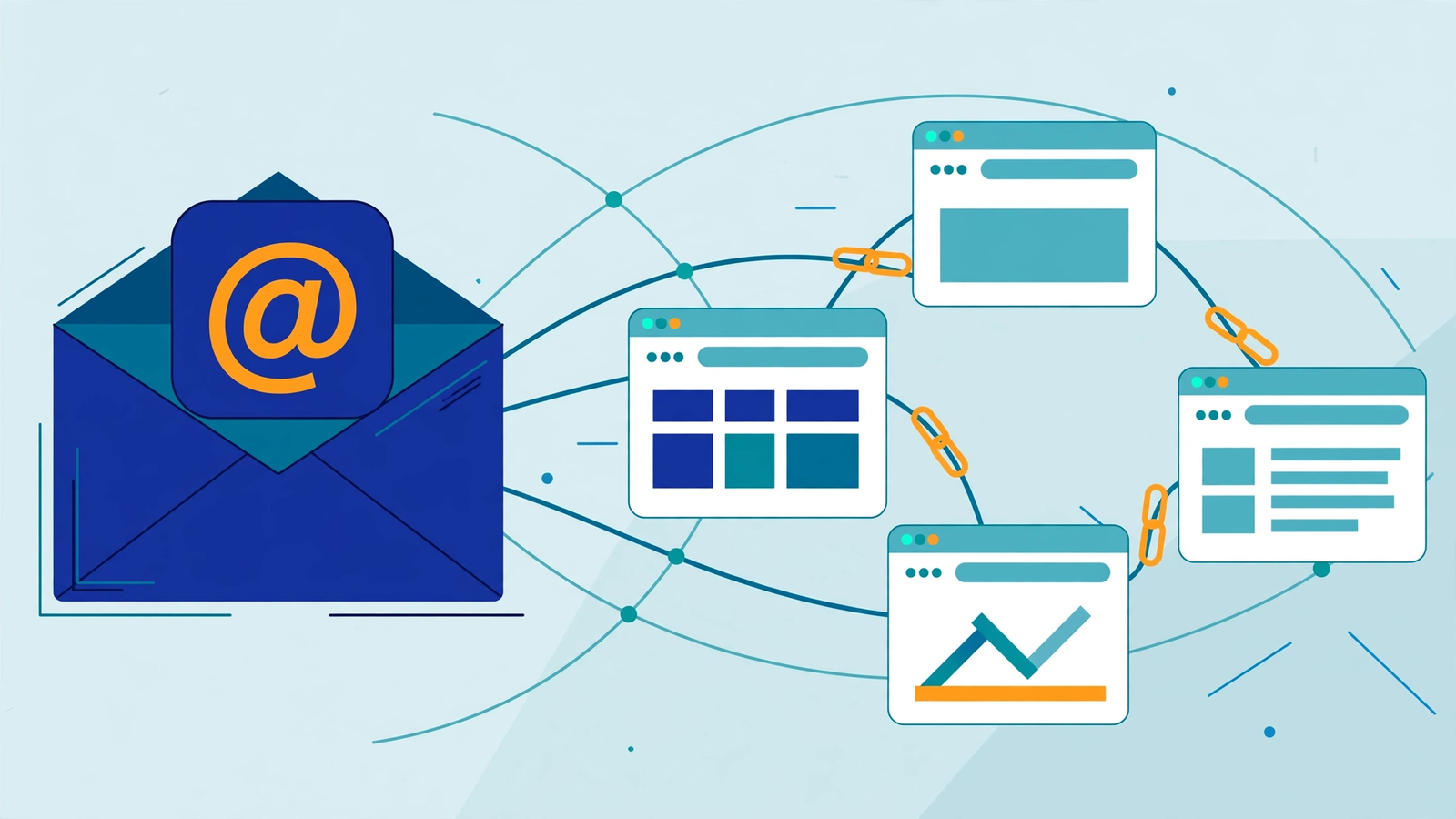
Backlink outreach services handle the full process of earning backlinks from other websites on your behalf. Instead of you emailing dozens of site owners, a backlink outreach agency (or freelancer, or marketplace) prospects relevant sites, pitches your content or expertise, and secures editorial placements that link back to you.
The honest version of this business is straightforward: you are paying for skilled labor research, relationship-building, pitching, and content performed on real websites with real audiences. Where it turns risky is when the “service” is really selling you the links themselves, placed on sites that exist mainly to sell placements. Understanding that distinction is the single most important thing in this guide, and we will come back to it.
Common names for the same idea include blogger outreach services, outreach link building, and white hat link building services. The labels vary; the underlying work should not.
What a Legitimate Service Actually Does for You
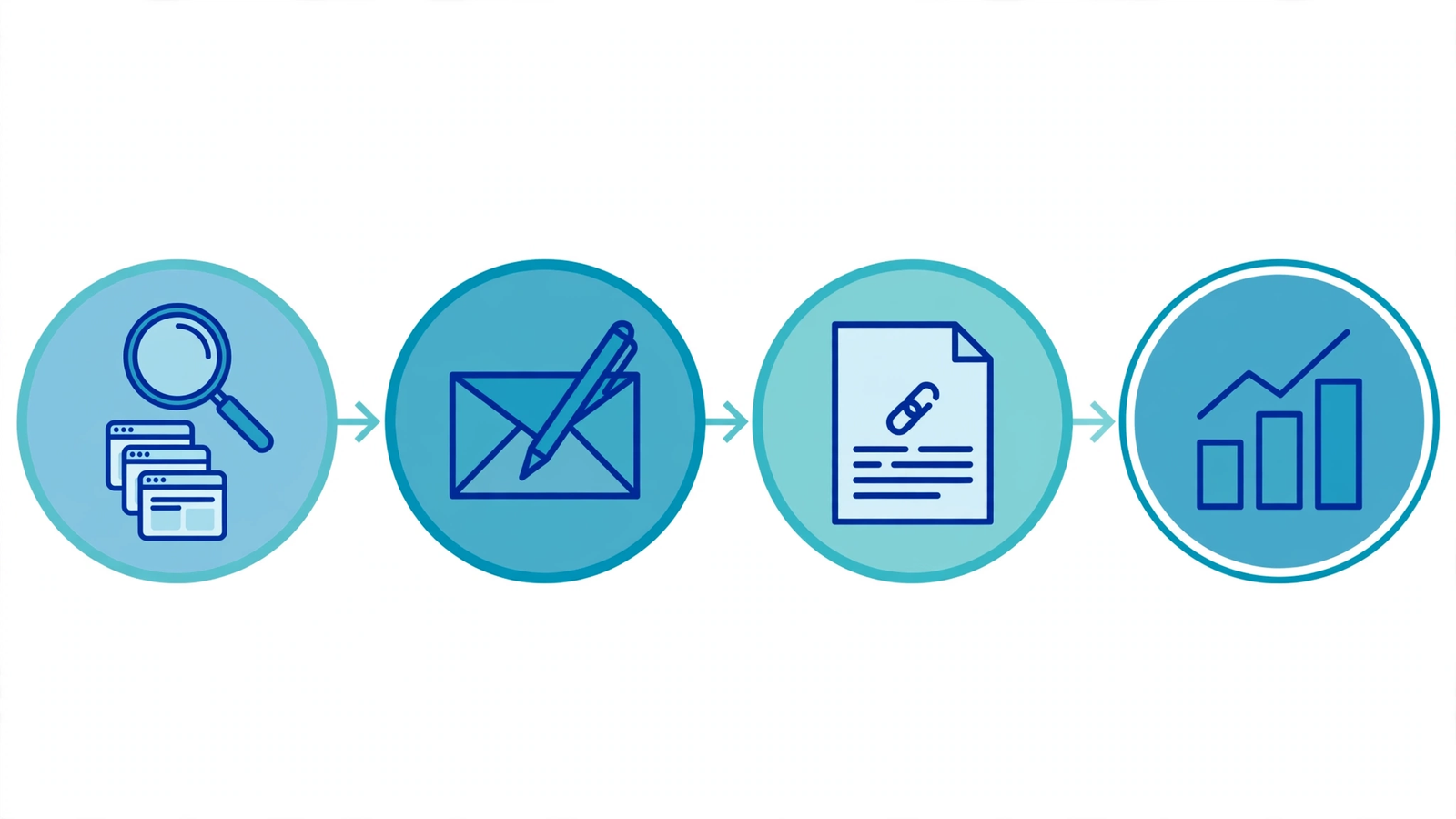
A serious outreach operation is not one person blasting template emails. Here is the work you are actually paying for, step by step:
Prospecting. The provider identifies websites in your niche that are relevant, have real organic traffic, and maintain editorial standards. This usually starts with SEO tools like Ahrefs or Semrush analyzing competitor backlink profiles and searching for sites that already link to content like yours.
Finding the right contacts. Tools like Hunter.io help locate editor and site-owner email addresses, but the valuable part is human judgment: pitching the person who actually decides what gets published.
Personalized pitching. Each pitch is tailored to the target site referencing their recent articles, explaining why your content fits their audience, and proposing a specific angle. Mass templates with your name mail-merged in are not outreach; they are spam with better formatting.
Content and placement. Depending on the tactic, the service writes an original guest post, suggests a link insertion (often called a niche edit) into an existing article, or pitches your expertise for digital PR link building and journalist requests.
Reporting and monitoring. You should receive the live placement URLs, anchor text used, and domain metrics. Good providers also monitor placements over time, because links can be removed or devalued and a service worth paying for tells you when that happens.
Outreach platforms such as Pitchbox and BuzzStream exist to manage this workflow at scale, and many agencies run their operations on tools like these. When a provider describes their process, listen for these concrete steps vague promises of “high-quality backlinks” without a process behind them are a warning sign.
The 4 Service Models Compared
Not every “backlink outreach service” sells the same thing. Here are the four models you will encounter, and who each one fits:
| Model | How it works | Best for | Control over placements | Typical cost shape |
|---|---|---|---|---|
| Full-service outreach agency | A team runs prospecting, outreach, and content for you end to end | Businesses that want hands-off link building | Low to medium | Monthly retainer, often thousands per month |
| Link building marketplace | You browse publisher sites with listed metrics and order placements directly | Buyers who want transparency and per-link control | High | Per link, from budget tiers to premium |
| Done-for-you outreach platforms | A tool-plus-service hybrid that runs campaigns on its own software | Teams that want process visibility with less management | Medium | Per-link or tiered packages |
| In-house / DIY | You or your team run outreach directly | Tight budgets, niche expertise, full control | Full | Your time plus tool subscriptions |
There is no universally best option. An agency suits a busy company that wants link building handled; a marketplace suits a buyer who insists on inspecting every publisher before spending; DIY suits those with more time than budget. Be wary of any provider that claims their model is the only legitimate one that is marketing, not advice.
What Drives the Price
Publicly listed prices for outreach link building vary enormously roughly from $20 per link on marketplaces to over $1,000 for premium digital PR placements, with managed retainers commonly running into the thousands of dollars per month. Those numbers are provider-stated and change constantly, so always confirm current pricing directly. More useful than any price list is understanding why prices differ:
- Publisher authority and real traffic. A link from a site with genuine organic traffic and an engaged audience costs more than one from a site whose only metric is an inflated domain score. Traffic quality matters more than any single number.
- Whether content is included. Guest posting services that research and write the article charge more than placement-only niche edits and should, since the writing is real work.
- Niche difficulty. Finance, health, and legal publishers are harder to earn placements on than hobby blogs, and pricing reflects that.
- Placement type. Link insertions into existing indexed articles are usually faster and cheaper than full guest posts; digital PR features on media sites are the most expensive because they are the hardest to earn.
- Pricing model. Per-link pricing ties cost to output; retainers buy ongoing effort; marketplaces let you pay per placement with full visibility. Each has trade-offs in accountability.
If a price seems dramatically lower than everything else you have seen, ask what is being cut: usually it is the prospecting, the content quality, or the legitimacy of the publisher.
How to Vet a Provider: A Practical Checklist
Before you pay anyone, run through this list. A legitimate provider will answer every question directly; an evasive one has told you everything you need to know.
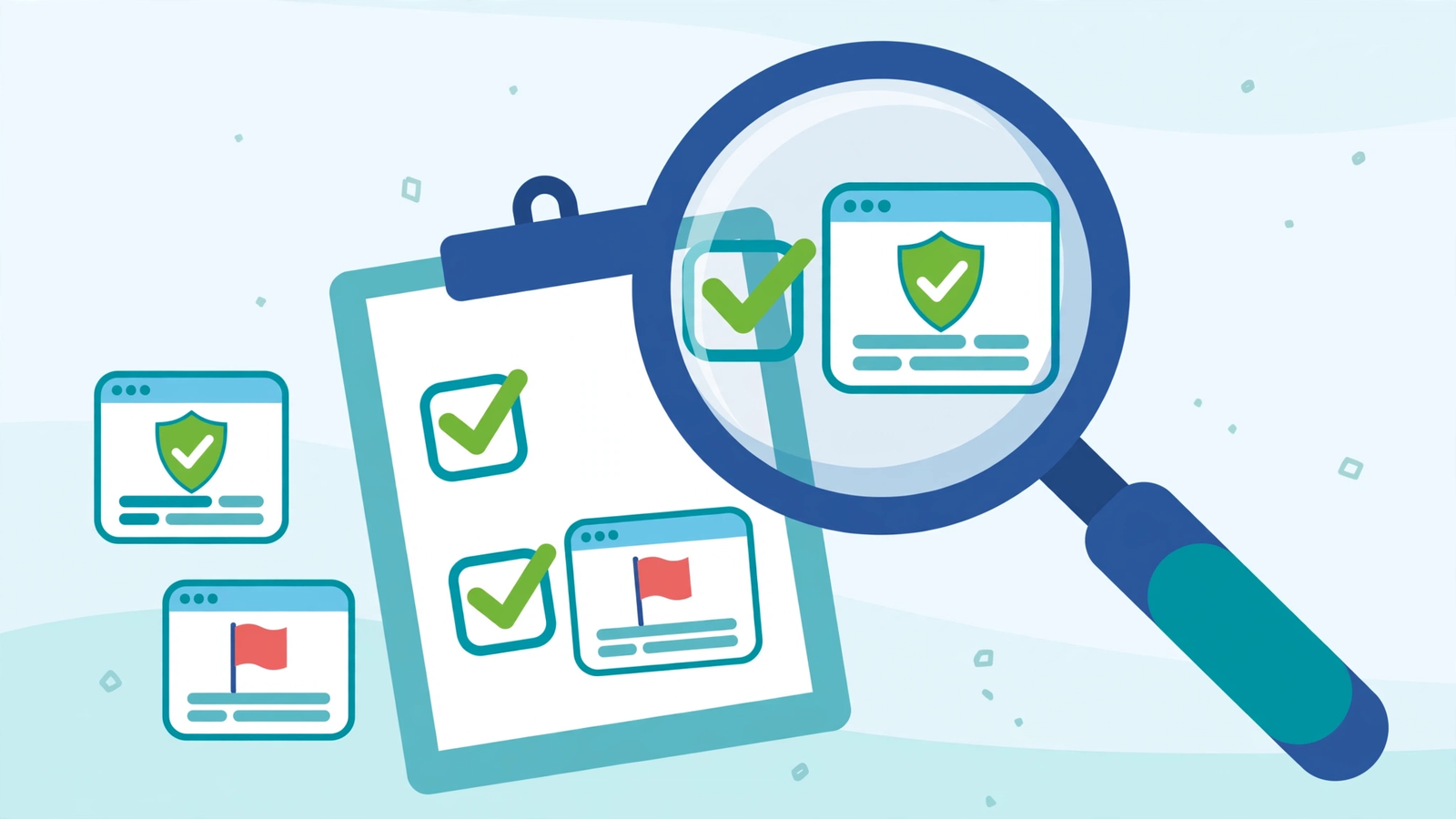
- Can you see the publisher sites before paying? You should be able to inspect the actual websites or at least their real metrics before money changes hands.
- Do target sites have real organic traffic? A site worth a link is a site Google already sends visitors to you can sanity-check this against your own Google Search Console understanding of what real traffic looks like. Relevance plus real traffic beats any domain metric alone.
- Are placements topically relevant to your business? A link from an unrelated niche passes little value and looks unnatural.
- What are the editorial standards? Real sites reject weak pitches and low-quality content. If a provider “guarantees placement” on dozens of sites with no rejections, those are not editorial sites.
- What is the anchor-text policy? Natural, varied anchors (branded, naked URLs, topical phrases) are normal. Demands for exact-match keyword anchors on every link are a manipulation signal.
- What does reporting include? Expect live URLs, anchor text, and placement metrics delivered as placements go live, not months later.
- Is there link monitoring or replacement? Links disappear. Ask what happens when one does.
- Do they promise rankings or timelines? No honest provider guarantees rankings. If they do, leave.
Red Flags That Should Make You Walk Away
Google’s spam policies explicitly define link spam: buying or selling links for ranking purposes, excessive link exchanges, automated link creation, paid guest posts with keyword-rich anchors that pass ranking credit, and low-quality directory or bookmark links. Violations can lead to lower rankings or removal from search results. With that in mind, treat these as deal-breakers:
- Guaranteed rankings or fixed timelines. Rankings depend on competition, your site’s authority, and Google’s systems no service controls all three.
- Bulk packages with no vetting. 500 backlinks for $50 is not outreach; it is a link scheme with a shopping cart.
- Private blog networks (PBNs) and link farms. Networks of sites built to sell links are exactly what Google’s systems target.
- Keyword-stuffed anchor requirements. If the provider insists on exact-match anchors everywhere, they are optimizing for 2012.
- No reporting or hidden publishers. If you cannot see where your links live, you cannot evaluate what you bought.
- Pressure tactics and secrecy about methods. Legitimate outreach is not a secret recipe it is prospecting, pitching, and content.
The dividing line is simple: paying for the work of outreach on real editorial sites is a legitimate service; paying for links as products on sites that exist to sell them is where policy risk begins.
How Long Before You See Results
Set expectations before you spend. Providers typically quote three to six weeks from first outreach to a live placement prospecting, pitching, follow-ups, and editorial calendars all take time. Visible movement in rankings usually takes longer: two to six months of consistent link building, depending on your site’s current authority, the quality of the links earned, your competition, and how quickly search engines crawl and index the linking pages.
Anyone who promises page-one rankings in thirty days is selling you something Google specifically warns against. Steady, relevant, editorially earned links compound over time that is the entire value proposition, and it cannot be rushed without cutting the corners that create risk.
Frequently Asked Questions
Are backlink outreach services safe for SEO?
Yes, when the service earns links the way Google describes legitimate practices: real outreach, to real editorial websites, with content their audiences genuinely want. They become unsafe when the “service” is a storefront for paid placements on sites built to sell links, uses keyword-stuffed anchors at scale, or hides its publishers from you. Vet the method, not the marketing.
How much do backlink outreach services cost?
It depends on the model and the quality. Public listings range from around $20 per link on marketplaces to $1,000+ for premium digital PR, while managed agency retainers commonly run into the thousands per month. What matters more than the sticker price is what drives it: publisher traffic and relevance, whether content creation is included, your niche’s difficulty, and the placement type. Always confirm current pricing with the provider.
Should I hire an agency, use a marketplace, or do outreach myself?
Choose based on your constraints. Agencies fit businesses that want link building handled end to end and can fund a retainer. Marketplaces fit buyers who want to inspect every publisher before paying. DIY fits tight budgets and founders with deep niche knowledge outreach tools make it feasible, but expect it to consume real hours weekly. Many businesses start DIY to learn what good outreach looks like, then outsource once they can vet providers properly.
Final Takeaway
Backlink outreach services buy you the scarcest resources in link building: time, contacts, and process. The right provider earns editorial links on relevant, trafficked sites and shows you exactly what was done. The wrong one sells you links as products and leaves you holding the risk.
Choose slowly, vet with the checklist above, and demand transparency at every step. And once outreach starts earning you placements, the job is not finished learn how to amplify the backlinks you have earned so every link passes its full value.

- How Many Weeks Between Two Dates? A Simple, Accurate Guide - October 16, 2026
- What Elements Are Foundational for SEO with AI? The Two-Layer Framework for 2026 - October 15, 2026
- 9 Best HARO Alternatives in 2026 (After HARO Shut Down) - October 15, 2026









Pingback: Backlink Audit Checklist: 9 Steps For A Healthy Profile (2026)
Pingback: Link Insertion Vs Guest Post: The Proven Winner In 2026
Pingback: How To Find Guest Post Opportunities: 11 Methods (2026)
Pingback: How Much Do Niche Edits Cost In 2026? Best Price Ranges
Pingback: Link Audit Service: What's Included & What It Costs (2026)
Pingback: How Long Does Link Building Take To Work In 2026: Best Timeline