
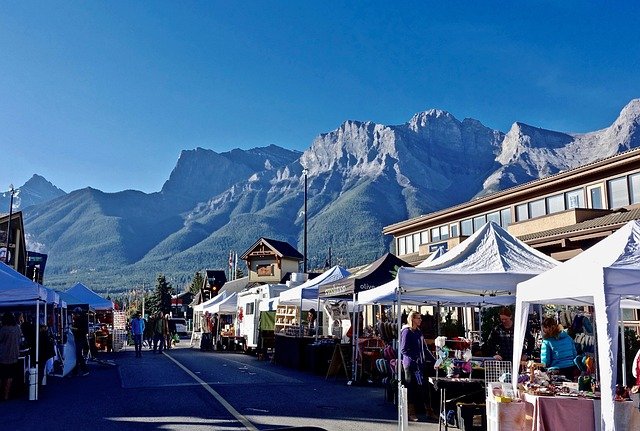
Farmers Market Tent: Understand the Importance for Comfortable and Successful Market Days
A farmers’ market tent can be a comfortable, organized, and attractive space for the vendor participating in an outdoor market. From fresh produce and bakery items to seedlings, handmade crafts, and specialty products, this farmers’ market tent will be the central point of your whole setup. Other than providing shade, it defines your brand, aids in the attraction of potential customers, shields your products against sudden weather changes, and adds a cozy, professional ambiance that will make visitors stop and have a look around. A well-thought-out selection of the tent can change the way customers think about your business and help ensure your success on those days at the market.
1. Why a Farmers Market Tent Is a Must-Have for Any Vendor
A sturdy farmers’ market tent is indispensable in creating a solid and predictable environment within the otherwise somewhat unpredictable conditions. Many markets take place in open fields, parking lots, town squares, or along sidewalks, where sunshine, wind, or light rain might change at any minute and affect both the vendors and their shoppers. A well-constructed tent allows vendors to maintain product quality throughout the day, protecting them from excessive sun and shielding fragile products from moisture. Beyond physical protection, the tent gives vendors a defined area within which they set up tables, shelving, signage, and displays in a neat and organized manner. It visually communicates professionalism, which has a significant consequence for customer trust. Many vendors consider a solid and attractive tent to be the first step toward establishing a recognizable presence in the market.
2. Key Features for a Good Farmers’ Market Tent
When putting all of the different farmers’ market tents up against one another, several features offer stability, durability, and appeal. Generally speaking, the material of the frame insinuates how many years the product will last; steel frames offer strength, while aluminum frames offer lightweight convenience. Canopy fabric also plays an important role, especially in terms of UV protection, fire-resistant concerns, or any other ease-of-cleaning considerations. Tents with adjustable leg heights can help many vendors out when the ground is uneven or if changing needs for shade are necessary. Reliable locking mechanisms and reinforced corners just add to the structure, enabling the tent to resist multiple seasons of market use.
3. Types of Farmers Market Tents—Bullet Points Section ONLY ONE SECTION USING POINTS
The common tent styles on which vendors rely include the following:
• Pop-up canopy tents are simple to set up, making them popular among new vendors and weekly sellers.
• Heavy-duty market tents feature heavy steel frames and thicker canopies for long-term use.
• Branded tents incorporate logos and graphics to enhance brand awareness.
• Aluminum frame tents are lightweight yet strong, suitable for vendors who travel between markets.
4. Setting Up a Farmers Market Tent for Safety and Professional Appeal
Setting up your tent correctly is one of the most important steps to prepare for a successful market day. First, a vendor should select stable ground that can equally support all legs of the tent. After extending and locking the frame in place, the next priority is to anchor it securely. Even on days when the winds are generally calm, they can still be quite unpredictable, so properly weighing down the tent helps to avoid any accidents or tipping. Once the structure is stabilized, vendors can focus on how to arrange the interior: they should place tables neatly, present products at eye level, and organize displays to encourage browsing, thereby creating a natural flow through the space. The inviting interior of a tent makes for a better experience with the customers. They can spend more time at the booth, which may positively influence sales.
5. Branding Your Farmers Market Tent to Extend Your Brand Branding
However, using branded tents makes it much easier to stand out in markets with dozens or even hundreds of vendors present. A personalized tent featuring color, printed logos, or other unique visual distinctions can enhance brand identity and make your tent easily recognizable to returning customers. Most successful vendors implement matching table covers, banners, product tags, and other signage that tie into the overall look of their tents. The more visually cohesive your display appears, the more professional it will seem and the easier it will be for customers to remember your business. This not only ensures professionalism but also fosters long-term customer recognition, which is crucial for a market-based business that heavily relies on repeat customers.
6. Weather protection and durability considerations.
Durability is a crucial aspect to consider when selecting a farmers’ market tent, as outdoor markets expose vendors to various weather conditions. The UV-resistant material of the canopy will help protect your produce, baked goods, and handmade items from heat damage or discoloration during extremely sunny days. Canopies that are resistant to water not only keep your products dry on rainy days but also ensure that your business operations remain uninterrupted. The resistance of wind is another critical factor in having sturdy frames on your tent and secure anchoring systems that prevent tent collapses or shifting. The purchase of a tent designed for various weather conditions provides peace of mind, ensuring that your business operations will run smoothly regardless of the forecast.
7. Maintenance, cleaning, and storage are essential for prolonging the life of a farmer’s market tent.
Proper maintenance can greatly extend the usable life of a farmer’s market tent. After use, vendors should dust, surface-wipe, or clean visible stains from the canopy. Furthermore, the tent should be completely dried to prevent mold formation, which can easily deteriorate the fabric material. The frame also needs periodic checkups for loose screws, rods with bends, or wear marks. The tent should be stored in a cool, dry place to minimize humidity exposure, which can further damage the fabric and metal parts. It Regularly maintaining a tent is well worth the time invested, as it enables vendors to enjoy a reliable setup for many market seasons while reducing the need for costly replacements.
8. How a Farmers Market Tent Can Improve the Customer Experience
A farmers’ market tent, if thoughtfully chosen, will not only benefit the vendor by creating a more comfortable working environment but also provide a better shopping experience for customers. A shaded and comfortable environment encourages visitors to stay longer because they are not hurried by the heat or inclement weather. A neatly arranged interior makes it easy for customers to view the products and helps them feel more relaxed as they explore the booth. At times, customers perceive products from vendors using a professional tent as being of higher quality, which increases their confidence in purchasing from that booth. In many instances, the atmosphere created by the tent directly influences customer engagement and positively impacts sales throughout the day.
9. Why a Farmers Market Tent Is a Smart Long-Term Investment
Although the initial investment cost of a farmers’ market tent may vary, it ultimately proves to be a sound investment for any merchant planning long-term involvement with outdoor markets. A solid and well-built tent will support regular business operations and minimize stress during busy morning market setups. Those vendors who invest in quality equipment often find that setup is much easier, unexpected setbacks are less frequent, and their overall presentation improves. Over time, the tent becomes an almost iconic part of the vendor’s identity within the market community. With good care, a quality farmers’ market tent can last for many years and is considered an essential tool for establishing a strong and professional market presence.
Conclusion
A farmer’s market tent is far more than just a simple canopy; it’s really the backbone of success for outdoor selling. The right tent enhances product protection, strengthens brand identity, creates a comfortable shopping environment, and supports the seller’s long-term development. You will be able to create an approachable and dependable identity that welcomes customers day after day by investing in a hardy structure, setting it up safely, taking excellent care of it, and personalizing it with your business branding. For anyone participating in a weekly or seasonal market, investing in a high-quality farmers’ market tent is one of the most important steps toward creating a professional and memorable booth that stands out in any market setting.

- How to Add Captions to Short Videos That People Actually Read - October 8, 2026
- 10 Step AI Search Content Optimization Checklist - October 6, 2026
- Competitor Visibility Tracker: How to Monitor Search and AI Visibility - August 22, 2026