
Residential Gateway Market: 2026 Trends, Growth, and Future Outlook
The residential gateway market is becoming more important in 2026 as homes depend on faster internet, smart devices, video streaming, remote work, online learning, gaming, and connected security systems. A residential gateway is no longer just a basic modem or router. It has become the main connection point between the internet provider and every digital device inside the home.
The residential gateway market is growing because people now expect strong Wi-Fi coverage, better network security, simple app controls, and reliable performance across multiple rooms. From smart TVs and laptops to security cameras and voice assistants, every device needs a stable gateway to stay connected. This makes the residential gateway market a key part of the modern smart home and broadband industry.
What Is the Residential Gateway Market?
The residential gateway market includes devices and solutions that connect homes to broadband internet and distribute that connection across different devices. A residential gateway can combine modem, router, Wi-Fi access point, firewall, voice service, parental controls, and smart home management in one device.
In simple words, a residential gateway works as the digital door between the outside internet and the home network. It helps manage data traffic, device connections, security settings, and wireless coverage.
Common residential gateway functions include:
- Connecting the home to fiber, cable, DSL, or fixed wireless broadband
- Sharing internet through Wi-Fi and Ethernet ports
- Managing connected phones, laptops, TVs, and IoT devices
- Supporting parental controls and guest networks
- Improving home network security
- Helping internet providers manage performance remotely
Because of these features, the residential gateway market is closely connected with broadband upgrades, smart home growth, and Wi-Fi technology improvements.
Why the Residential Gateway Market Is Growing in 2026
The residential gateway market is growing in 2026 because homes are using more connected devices than ever before. A single household may now have smartphones, laptops, tablets, smart TVs, gaming consoles, cameras, speakers, thermostats, and other smart devices running at the same time.
This creates higher demand for gateways that can manage speed, coverage, latency, and security without frequent connection problems.
Main growth drivers include:
- Faster fiber and cable broadband adoption
- More smart home devices in daily use
- Growth of 4K and 8K video streaming
- Cloud gaming and low-latency entertainment
- Remote work and hybrid learning
- Stronger need for home cybersecurity
- ISP demand for managed Wi-Fi services
- More users upgrading to Wi-Fi 6E and Wi-Fi 7 devices
The residential gateway market is also benefiting from internet service providers replacing older routers with more advanced gateways that support better coverage and easier troubleshooting.
Key Technologies Shaping the Residential Gateway Market
Technology upgrades are one of the biggest reasons the residential gateway market is changing quickly. Modern gateways are expected to support faster speeds, wider coverage, smarter device handling, and stronger security.
One major upgrade is Wi-Fi 7. It supports advanced features such as Multi-Link Operation, which can allow devices to connect across bands more efficiently for better speed and reliability. You can learn more from Intel’s official guide on Wi-Fi 7 technology.
Important technologies shaping the residential gateway market include:
- Wi-Fi 6E and Wi-Fi 7 for faster wireless performance
- Mesh networking for better whole-home coverage
- Multi-gigabit Ethernet ports for faster wired connections
- Cloud-based gateway management
- AI-powered troubleshooting and network optimization
- Better Quality of Service for gaming and video calls
- App-based controls for users and families
- Automatic firmware updates for security and stability
Another important technology is DOCSIS 4.0 for cable broadband networks. CableLabs explains that DOCSIS 4.0 enables next-generation broadband over cable networks with multi-gigabit performance. You can read more from CableLabs on DOCSIS 4.0 technology.
These technologies are turning the residential gateway market into a smarter and more service-focused industry.
Smart Homes and the Residential Gateway Market
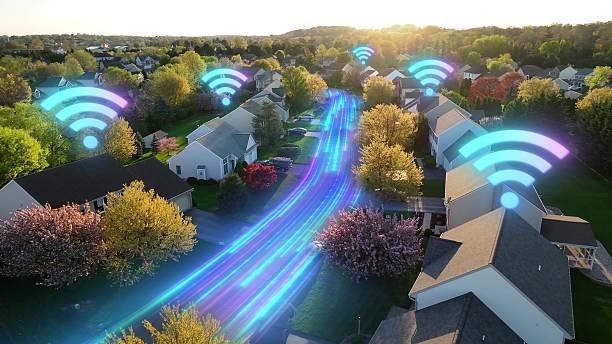
The residential gateway market is strongly connected with smart home adoption. Smart homes need a reliable central network because devices such as cameras, doorbells, lights, plugs, thermostats, sensors, and appliances all depend on stable connectivity.
A strong residential gateway can help users manage these devices more easily. It can separate guest devices, prioritize important traffic, and provide better visibility into what is connected to the network.
Smart home features increasing gateway demand include:
- Smart security cameras
- Video doorbells
- Voice assistants
- Smart TVs and streaming devices
- Smart lighting systems
- Home automation sensors
- Connected appliances
- Smart energy devices
For this reason, the residential gateway market is no longer only about internet access. It is also about smart home control, device management, security, and user experience.
Security Trends in the Residential Gateway Market
Security is becoming a major focus in the residential gateway market. Home networks now include personal devices, work laptops, children’s devices, and smart home products. If the gateway is weak or outdated, the entire home network can become more vulnerable.
Modern residential gateways are adding stronger security features to protect users from online threats, unauthorized access, and unsafe IoT connections.
Important security features include:
- WPA3 support
- Automatic firmware updates
- Guest network controls
- Device blocking options
- Malware and phishing protection
- Parental controls
- IoT device isolation
- Secure remote management
- Stronger password and access settings
The FCC’s U.S. Cyber Trust Mark also shows how consumer IoT security is becoming more important. This matters for the residential gateway market because connected homes need both secure devices and secure network management.
Opportunities in the Residential Gateway Market
The residential gateway market offers major opportunities for device manufacturers, broadband providers, telecom companies, cable operators, and smart home brands. Instead of selling only hardware, companies can now offer complete home connectivity solutions.
Top opportunities include:
- Premium Wi-Fi 7 gateway upgrades
- Managed Wi-Fi subscriptions
- Mesh gateway bundles
- Smart home security packages
- Parental control services
- Cloud-managed home networking
- Broadband and gateway bundle plans
- AI-based support and troubleshooting tools
For internet providers, the residential gateway market can improve customer experience and reduce support calls. A better gateway can help users solve common issues through mobile apps, automated diagnostics, and remote support tools.
For manufacturers, the residential gateway market creates space for premium devices with better design, faster processors, stronger antennas, and smarter security features.
Challenges in the Residential Gateway Market
The residential gateway market has strong growth potential, but it also faces some challenges. One major challenge is cost. Advanced gateways with Wi-Fi 7, mesh support, multi-gigabit ports, and security features can be expensive for many users.
Another challenge is customer confusion. Many people do not fully understand the difference between a modem, router, mesh system, extender, and residential gateway. This can make buying decisions harder.
Main challenges include:
- Higher cost of advanced gateways
- Confusing product features for regular users
- Compatibility issues with older devices
- Firmware update and support problems
- Cybersecurity maintenance
- Heat management in powerful devices
- ISP lock-in and limited device choices
- Different broadband standards across regions
Companies that make gateways easier to understand, install, and manage will have a stronger position in the residential gateway market.
Future Outlook for the Residential Gateway Market
The future of the residential gateway market looks strong because homes will continue to need faster, safer, and smarter connectivity. In 2026 and beyond, residential gateways will become more like intelligent home networking hubs than simple internet boxes.
Future growth will likely come from Wi-Fi 7 adoption, fiber broadband expansion, DOCSIS 4.0 upgrades, smart home integration, cloud management, and better cybersecurity features.
The residential gateway market will also become more software-driven. Users will expect mobile apps, network insights, child safety controls, device monitoring, and automatic performance improvements.
Before choosing or studying gateway solutions, users should compare:
- Internet speed support
- Wi-Fi generation
- Mesh compatibility
- Security features
- App controls
- Ethernet port speed
- ISP compatibility
- Firmware update support
- Smart home management options
For more related information, you can also read TechLSPro’s guide on the Wi-Fi Gateway Market to understand how gateway technology is evolving in the broader networking industry.
Common Questions About Home Gateway Technology
1. What is driving the residential gateway market in 2026?
The residential gateway market is being driven by high-speed broadband, Wi-Fi 7 adoption, smart home growth, remote work, video streaming, gaming, and stronger demand for secure home networks.
2. Why are residential gateways important for smart homes?
Residential gateways are important because they connect smart devices, manage network traffic, improve Wi-Fi coverage, support security settings, and help users control their home network from one central point.
3. What features should users look for in a residential gateway?
Users should look for Wi-Fi 6E or Wi-Fi 7 support, strong security, mesh compatibility, multi-gigabit ports, app-based controls, automatic updates, parental controls, and reliable ISP support.

- How to Add Captions to Short Videos That People Actually Read - October 8, 2026
- 10 Step AI Search Content Optimization Checklist - October 6, 2026
- Competitor Visibility Tracker: How to Monitor Search and AI Visibility - August 22, 2026